
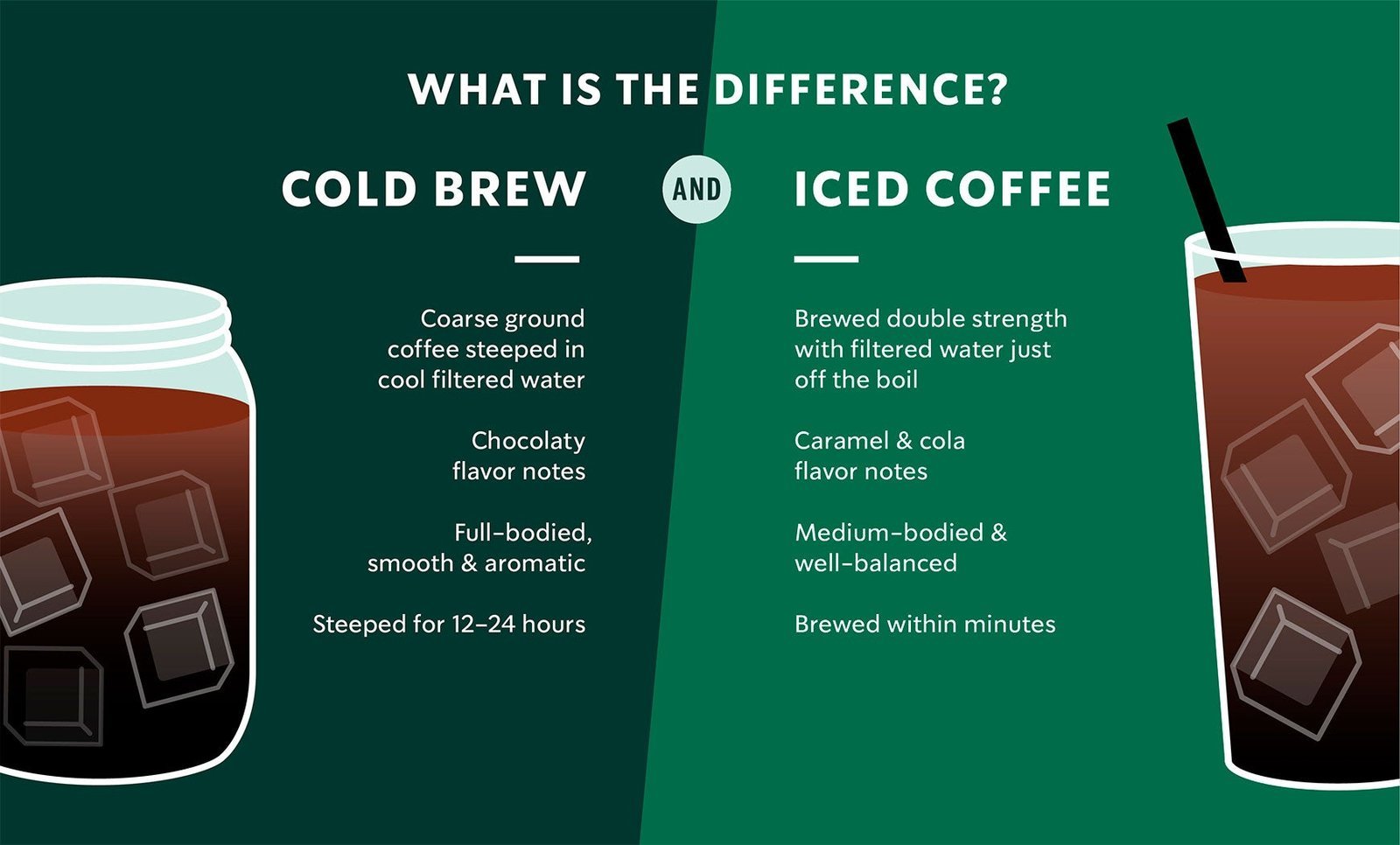
Cold brew isn’t the same as black coffee, though cold brew can be served black. Black coffee describes any coffee brewed without added milk, cream, sugar, or flavorings, regardless of the brewing temperature. Cold brew refers strictly to a unique brewing method where coarse grounds steep in cool or room-temperature water for 12 to 24 hours.
Key Takeaways
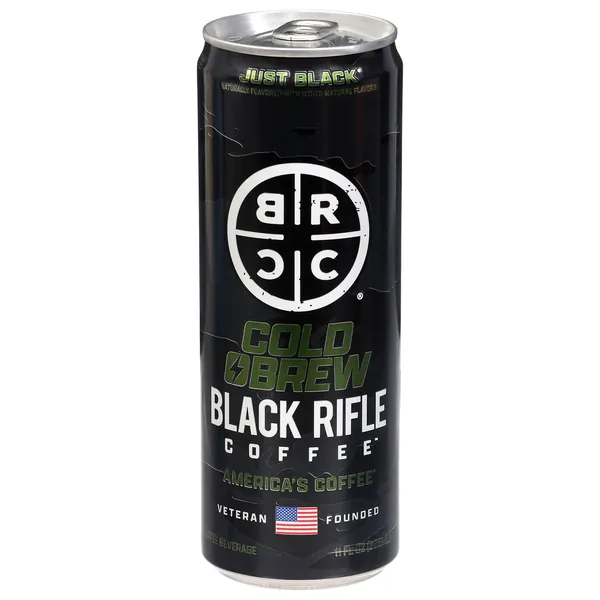
- Black coffee is an ingredient state (unadulterated coffee), whereas cold brew is a brewing method.
- Cold brew yields a smooth flavor profile with significantly lower perceived bitterness than hot-brewed black coffee.
- Traditional hot drip coffee relies on heat to extract soluble solids in 4 to 6 minutes; cold brew uses time over 12 to 24 hours.
- Undiluted cold brew concentrate contains higher caffeine levels per ounce than standard drip, but diluting it creates a comparable cup.
- Cold brew can be served hot or cold, and it only qualifies as black coffee if you omit dairy and sweeteners.
The Difference Between State and Method
To understand the core distinction, separate how coffee is prepared from how it’s served. The term black coffee indicates what is inside your cup: just water and coffee solubles, free of dairy additives or syrups.
Cold brew defines the mechanical extraction. Coarse grounds steep in cold water for an extended period.
Comparing Extraction: Heat Versus Time
Extraction creates the sensory differences between these beverages. Hot water acts as a rapid solvent, dissolving aromatic oils, acids, and bitter compounds within minutes. Cold water dissolves compounds much more slowly, leaving behind many of the harsh, astringent components that heat naturally pulls from the bean.
| Brewing Attribute | Standard Hot Black Coffee | Cold Brew Coffee |
|---|---|---|
| Water Temperature | 195°F to 205°F | 35°F to 70°F |
| Brew Time | 4 to 6 minutes | 12 to 24 hours |
| Grind Size | Medium | Extra coarse |
| Acidity Level | Higher, bright, tangy | Lower, rounded, mild |
| Body and Texture | Light to medium | Heavy, syrupy, smooth |
| Shelf Life | 30 to 60 minutes | 7 to 14 days (refrigerated) |
Is Cold Brew Less Acidic?
Cold brew has lower titratable acidity than hot-brewed coffee. Research from Thomas Jefferson University chemistry researchers shows that hot-water brewing methods extract more non-deprotonated acids than cold extraction.
These chemical differences explain why hot black coffee often carries crisp, fruit-like notes or a sharp tang, while cold brew tastes earthy, chocolatey, and mellow. For individuals who suffer from acid reflux or a sensitive stomach, switching to cold extraction offers measurable relief without cutting out morning caffeine.
Pro Tip: If you want the lowest possible acidity in your morning cup, choose a dark roast bean like Sumatra or French Roast for your cold brew steeping cycle.
Cold Brew vs. Traditional Iced Coffee
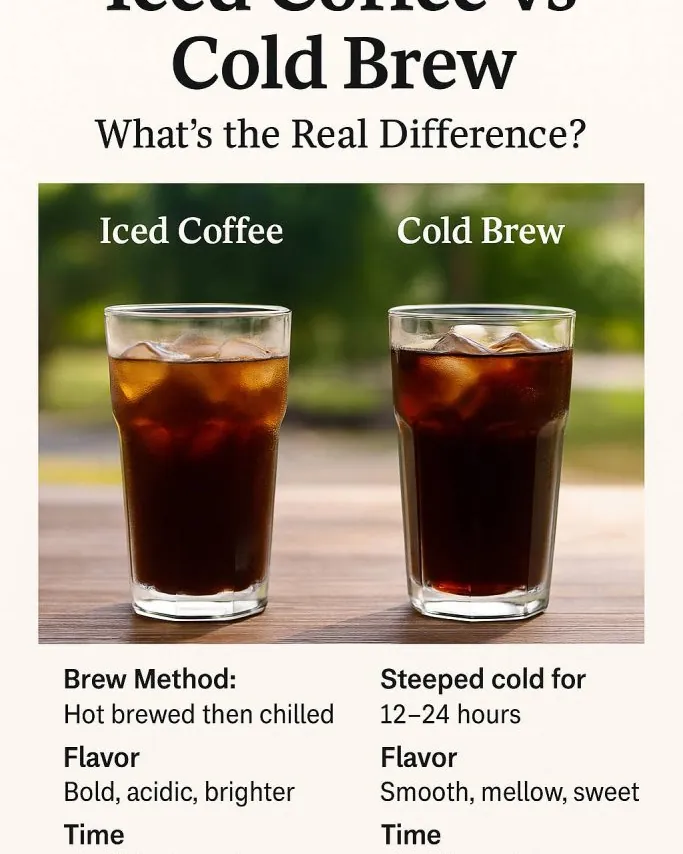
Iced coffee is standard hot coffee poured over ice. This rapid chilling preserves the bright, sharp acidity of hot brewing, though melting ice cubes can quickly water down the cup.
| Feature | Cold Brew | Traditional Iced Coffee |
|---|---|---|
| Starting Temperature | Cold or room temperature | Boiling (approx. 200°F) |
| Dilution Risk | Low (often brewed as concentrate) | High (ice melts into hot liquid) |
| Flavor Profile | Notes of cocoa and nuts | Sharp, bright, fruit forward |
| Bitterness | Minimal | Moderate to high |
Analyzing Caffeine Content Variations
Caffeine concentration depends on bean species, extraction duration, and the coffee-to-water ratio. Drip coffee makers generally use a 1:15 to 1:18 ratio. Cold brew uses a tight ratio, typically between 1:4 and 1:8, producing a potent concentrate.
An 8-ounce mug of drip coffee has 95 milligrams of caffeine. An equal serving of undiluted cold brew can exceed 200 milligrams.
Warning: Drinking undiluted cold brew concentrate directly from a home steep can trigger rapid heart rate, jitters, and gastrointestinal distress due to the extreme caffeine payload.
Essential Equipment for Both Styles
Making traditional black coffee requires quick heat delivery, whereas cold brew requires simple immersion storage and fine mesh filtration.
- Drip Coffee Makers: Automatic machines like the Moccamaster KBGV Select or Ninja Specialty Coffee Maker automate the hot water cycle.
- Pour-Over Cones: Manual pour cones like the Hario V60 and Chemex Glass Coffeemaker give full control over hot water contact.
- Dedicated Cold Brewers: Immersion systems such as the Toddy Cold Brew System or the Takeya Deluxe Cold Brew Maker streamline home cold steeping.
- French Press: The Bodum Chambord works double duty, capable of steeping hot black coffee in 4 minutes or cold brew in 18 hours.
- Burr Grinders: Consistent particles from an OXO Brew Conical Burr Grinder or Baratza Encore prevent unwanted fine sediment in both preparations.
How to Make True Black Cold Brew
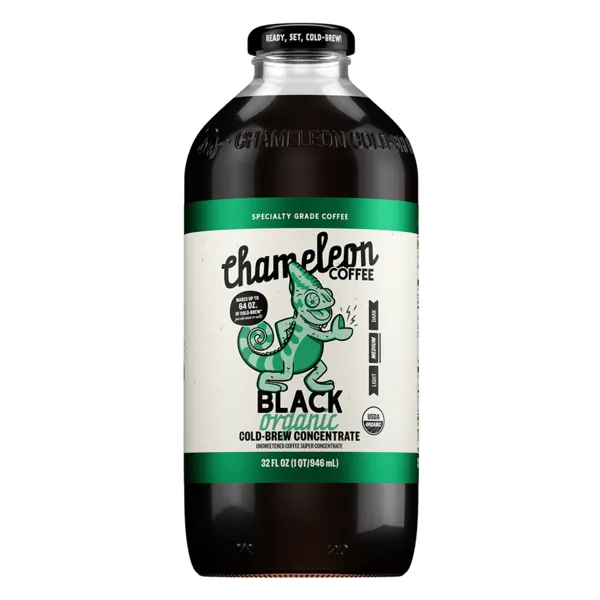
Producing cold brew that tastes exceptional without dairy requires careful ratio management.
- Grind the Beans: Process 1 cup of whole beans into an extra-coarse consistency resembling raw demerara sugar.
- Combine with Water: Add the grounds to 4 cups of filtered, room-temperature water inside a wide-mouth glass jar.
- Submerge and Rest: Gently press the floating grounds under the water surface; don’t vigorously shake.
- Wait: Let the mixture sit undisturbed on your counter or in the refrigerator for 16 to 18 hours.
- Filter: Strain the liquid through a fine wire mesh, followed by a paper filter to strip out cloudy oils.
- Serve: Pour over fresh ice cubes without adding creamers, milks, or sweeteners to keep the beverage black.
Related guides
- How Do I Make Cold Brew at Home: A Simple Step-by-Step Guide
- How to Make a Cold Brew Coffee at Home: A Simple Guide
- How Do You Make Cold Brewed Iced Coffee: A Simple Guide
Frequently Asked Questions
Can cold brew be heated and still be black coffee?
Yes. Cold brew concentrate can be diluted with boiling water instead of chilled water to create a hot cup. It remains black coffee as long as no milk or sugar is added.
Does cold brew have fewer calories than regular black coffee?
No, both beverages contain nearly identical caloric profiles. Cold brew served black contains the same 2 to 5 calories per serving, making both options ideal for fasting or calorie-restricted diets.
Why does hot black coffee taste more bitter than cold brew?
Hot water extracts chlorogenic acid lactones and phenylindanes from coffee grounds far more aggressively than cold water. These chemical compounds produce the sharp, bitter taste associated with standard coffee.
How long does black cold brew stay fresh compared to hot coffee?
Hot coffee degrades through oxidation within an hour, turning stale. Cold brew, however, is remarkably stable. When sealed in an airtight glass container and kept in the refrigerator, cold brew concentrate remains fresh, smooth, and flavorful for up to two weeks without spoiling.
Brew a batch of cold brew alongside your usual morning drip coffee using a mason jar filter.
Conclusion
Choosing between these two depends entirely on your personal taste. If you prefer a smooth, low-acid drink, you’ll likely enjoy the slow-steeped version. Why not visit a local cafe this weekend to compare them side-by-side? You’ll quickly discover which one fits your daily routine better once you’ve tasted the difference.