
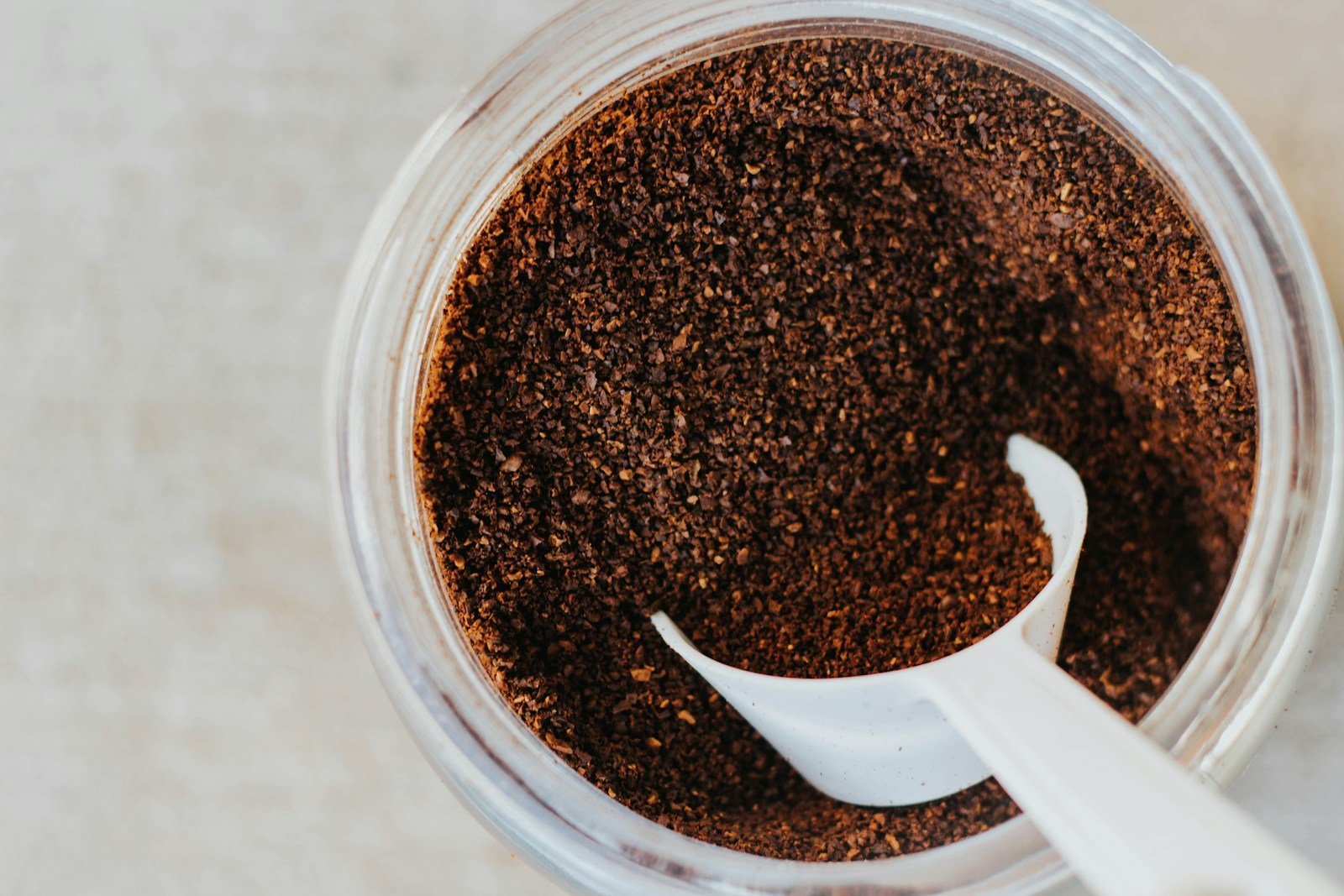
Yes, but in moderation. If you want a quick caffeine boost, you can safely eat ground coffee in a pinch or two. Taking large dry spoonfuls will irritate your stomach lining immediately. Put down the spoon and measure out a tiny pinch instead.
Eating ground beans in common situations
Photo: www.coffeesphere.com on Google
Eating dry coffee affects your body much faster than drinking a filtered cup. Here is how different situations change whether it’s a good idea.
| Your situation | Answer | Why |
|---|---|---|
| Baked into brownies or cookies | Yes | Heat softens grounds and lowers stomach irritation |
| Used as a dry steak rub | Yes | Cooking mellows harsh oils and texture |
| Swallowing dry spoonfuls for energy | No | Choking risk and rapid caffeine spike |
| Covering whole roasted beans in chocolate | Yes | Controlled portion size and easy to chew |
| Eating wet grounds from the filter | No | Bitter taste and unpleasant texture |
| You have acid reflux or ulcers | No | Coffee oils trigger severe stomach acid production |
Caffeine concentration and stomach digestion
The concentration of caffeine and insoluble fiber decides how your body reacts to dry coffee. When you brew coffee with hot water, you extract soluble flavors and caffeine while leaving behind the wood-like plant fibers and heavy diterpenes like cafestol. Swallowing the actual grounds forces your digestive tract to break down these abrasive particles directly.
Eating the grounds gives you 100% of the bean’s chemicals all at once. According to the FDA guidance on caffeine limits, healthy adults can safely consume up to 400 milligrams of caffeine daily. A single level tablespoon of dry coffee grounds contains roughly 60 to 100 milligrams of caffeine, depending on whether it’s Arabica or Robusta. The trade-off is simple: you get faster alertness, but you risk painful heartburn. If your stomach handles dark chocolate well, you can tolerate a small pinch; if you suffer from acid reflux, skip eating coffee grounds entirely.
Practical steps for consuming coffee grounds
Swallowing raw spoonfuls is uncomfortable, but you can safely add coffee grounds to real food. Follow these steps to prepare them without choking or irritating your stomach.
- Grind the beans to an espresso powder. Coarse grounds feel like sand in your teeth, so pulse them until the powder feels like flour between your fingers.
- Measure half a teaspoon per serving. This amount keeps caffeine intake moderate and prevents excessive consumption.
- Mix the powder into warm fat or batter. Stir the grounds directly into melted butter, brownie batter, or warm oatmeal until the dark specks spread evenly.
- Bake or simmer the mixture thoroughly. Cook your food thoroughly to incorporate the grounds into the dish.
- Drink a full glass of water. Hydrate immediately after eating to help your stomach move the fibrous material without cramping.
This method is NOT for anyone sensitive to caffeine or people prone to stomach ulcers.
Swallowing dry powder by the spoonful
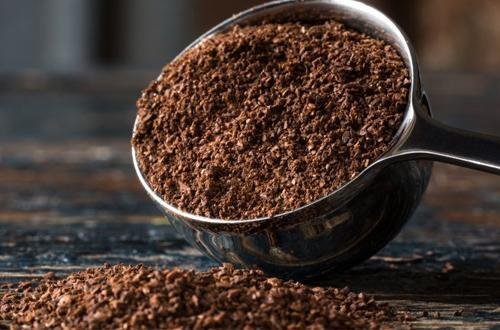
Dry-scooping ground coffee causes immediate choking and coughing fits. People do this to save time before work or workouts, but inhaling fine grounds draws dry plant dust into your lungs. That mistake can cost you an emergency medical visit and hours of airway irritation. The intense bitterness also shocks your digestive tract, causing instant nausea and acid regurgitation. Always mix grounds into liquid or cooked food to keep your airway safe.
Medical limits and coffee overconsumption
Eating too much ground coffee pushes your central nervous system beyond safe limits. Watch for these warning signs:
- Heart palpitations or a racing pulse, which signal acute caffeine overdose.
- Severe abdominal cramping or burning, which indicates stomach lining damage.
- Shaking hands combined with dizziness, which means nervous system overstimulation.
If your heart races uncontrollably or you vomit coffee-like material, call local emergency services or a poison control center immediately. Medical staff must handle severe caffeine toxicity.
Frequently asked questions
Can you get sick from eating used coffee grounds?
Yes. Wet used grounds left at room temperature grow mold and bacteria quickly. Damp food waste creates a breeding ground for foodborne pathogens, so only consume fresh, dry grounds from an airtight bag.
How much caffeine is in a tablespoon of ground coffee?
About 60 to 100 milligrams. Robusta beans sit at the higher end of that range, while Arabica beans hold less. The exact amount depends on bean origin and roasting profile.
Is it safe to eat whole coffee beans?
Yes. Whole roasted coffee beans are safe to chew in small quantities. Most people eat them covered in dark chocolate, which softens the bitter flavor and limits how many beans you swallow.
Does eating coffee grounds raise cholesterol?
Yes, if eaten regularly. Ground coffee contains cafestol and kahweol, natural oily compounds that raise LDL cholesterol. Paper coffee filters usually trap these oils, but eating whole grounds sends them straight into your digestive system.
What happens if you inhale dry coffee grounds?
You’ll cough violently and risk lung inflammation. Fine coffee dust can irritate your bronchial tubes and cause aspiration pneumonia if large amounts enter your lungs. Never swallow dry coffee powder without liquid.
Can eating coffee grounds cause constipation?
Yes. Coffee grounds contain high amounts of insoluble fiber and act as a diuretic. Drink water alongside them to stay hydrated.
Safe habits with ground coffee
Photo: www.etsy.com on Google
Eat ground, in short
Start by blending no more than half a teaspoon of finely ground coffee into a food recipe like chili or brownies. You should expect an earthy flavor and steady alertness without any stomach burn. Stop eating it immediately if your chest feels tight or your pulse spikes uncomfortably.