
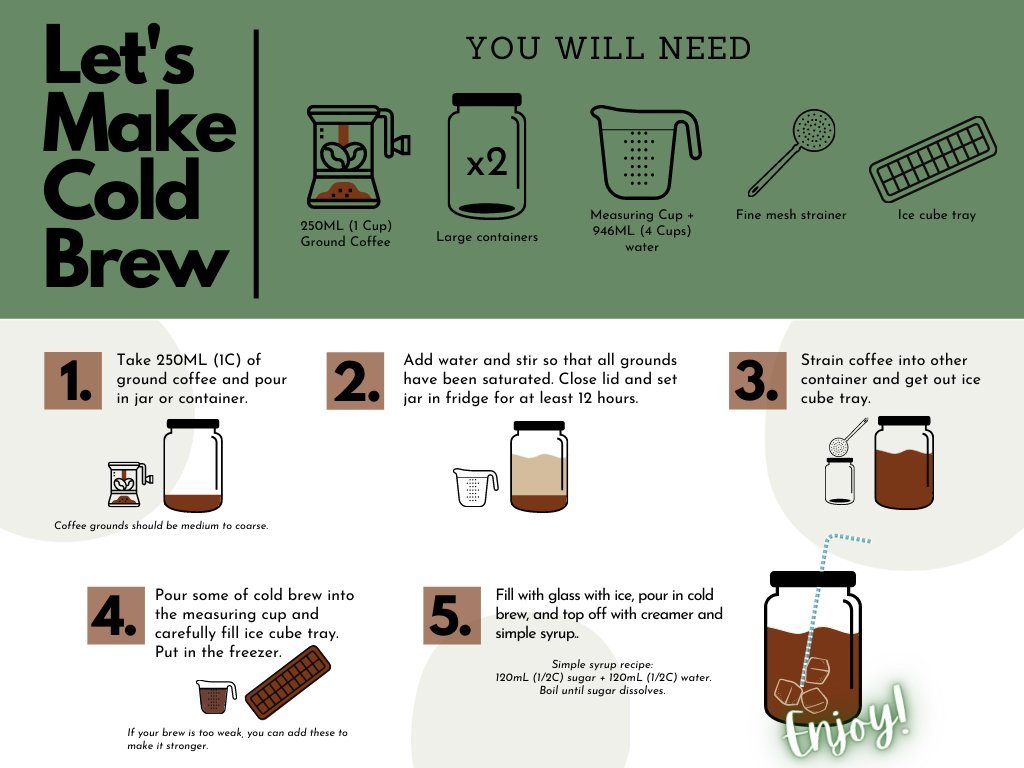
Yes, you easily can make cold brew at home, provided you have coarse grounds and cold water. Grab a large jar, add one cup of grounds, and you’ll fill it with water right now.
When home cold brew works best
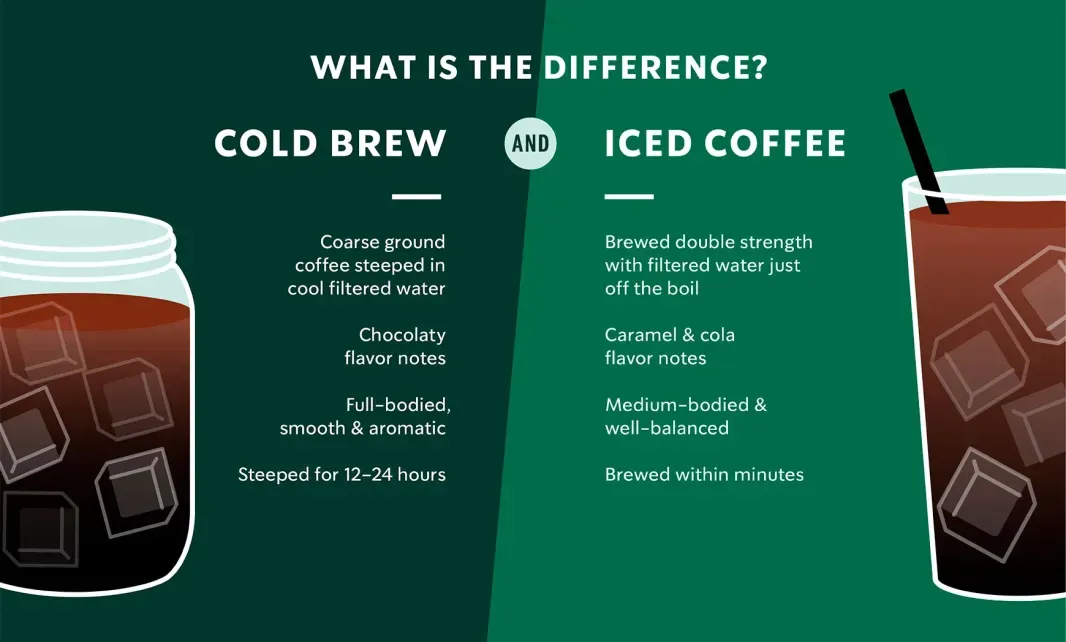
Your setup and taste preferences decide if this method fits your daily routine.
| Your situation | Answer | Why |
|---|---|---|
| Want smooth, low-acid coffee | Yes | Cold water pulls fewer bitter oils. |
| Need hot coffee immediately | No | Steeping takes twelve to twenty-four hours. |
| Have coarse ground coffee | Yes | Fine grounds turn the drink muddy. |
| Only have fine espresso grounds | No | They over-extract and taste very bitter. |
| Want to save money daily | Yes | Homemade cups cost much less than cafes. |
| Need a quick morning caffeine fix | No | You must plan and prep the night before. |
Grind size decides your cold brew
The size of your coffee grounds controls how the water extracts flavor. Cold water extracts slowly and works best with coarse grounds to limit the extraction of harsh compounds. A coarse grind lets the water flow freely and stops the coffee from turning cloudy. If the pieces are too small, they pack together tightly and trap the water, which leads to a muddy texture.
The exact steeping time varies by bean roast, and you’ll read your own perfect time off the taste of a small spoonful after twelve hours. The temperature of your kitchen also changes the timeline, as colder rooms slow down the extraction process even more. If grounds feel like coarse sea salt, steep them for twelve hours at room temperature; if finer, steep them in the fridge for twenty hours.
Steps to steep cold brew
Making this drink requires patience rather than special equipment. Follow these simple steps to get a clean, strong concentrate.
- Measure the ratio. Add one cup of coarse coffee grounds to a large glass jar. The sign this is right is a thick layer of dry grounds at the bottom.
- Pour the water. Slowly pour four cups of cold, filtered water over the grounds. You’ll know it worked when all the dry spots disappear.
- Stir gently. Use a long spoon to mix the slurry just until the grounds sink. The mixture should look evenly wet without floating dry clumps.
- Cover and wait. Put a tight lid on the jar and leave it on the counter for twelve hours. The timer hitting zero means the steeping phase is complete.
- Strain the liquid. Pour the mixture through a fine-mesh sieve lined with a paper filter into a clean pitcher. The final liquid should look dark and completely clear of floating dust.
The worst cold brew mistake
People often squeeze the paper filter to get every last drop of liquid out. This forces the trapped, highly concentrated bitter oils back into your clean batch, ruining the smooth flavor you waited hours to build. It costs you the entire pitcher, turning a sweet drink into an undrinkable, harsh mess.
Let gravity do all the work instead. Check the filter after thirty minutes; if it stops dripping on its own, just throw the wet grounds away and don’t press them.
When home cold brew goes wrong

Sometimes the process creates unsafe conditions or results you can’t fix in a home kitchen. Stop drinking it and pour it out if you notice these signs:
- Visible mold spots on the surface, meaning the batch fermented unsafely and needs disposal.
- A sharp, alcoholic smell, showing wild yeast took over the steeping process.
- Severe stomach cramps after drinking, which requires a doctor to check for foodborne illness.
Frequently asked questions
Can I use regular ground coffee?
No, regular pre-ground coffee is too fine and will make your drink bitter and cloudy. You need a coarse grind, so ask your local roaster to grind the beans specifically for this method.
How much caffeine is in a glass?
The Food and Drug Administration notes that four hundred milligrams daily is generally safe for healthy adults.
Why does my batch taste sour?
It tastes sour because the coffee didn’t extract fully during the steeping phase. You either used water that was too cold, steeped it for fewer than twelve hours, or used beans roasted very lightly.
Is it safe to leave it on the counter?
Leaving the jar on the kitchen counter for twelve to eighteen hours is common but carries some food safety risk; refrigeration during steeping eliminates this concern.
What happens if I steep it too long?
Steeping past twenty-four hours pulls out harsh, woody flavors and makes the liquid overly bitter. The coffee won’t spoil, but the taste becomes unpleasant and difficult to mask with milk or sugar.
Does it matter what water I use?
Yes, the water quality changes the final flavor since it makes up the entire drink. Always use filtered water, as heavy minerals or strong chlorine smells in tap water will ruin the delicate coffee notes.
Your next cold brew steps
Buy a bag of whole beans and ask the shop to grind them coarse. You’ll get a smooth, strong concentrate that mixes easily with cold milk, and you’ll need to stop and discard the batch if it ever smells like alcohol.