
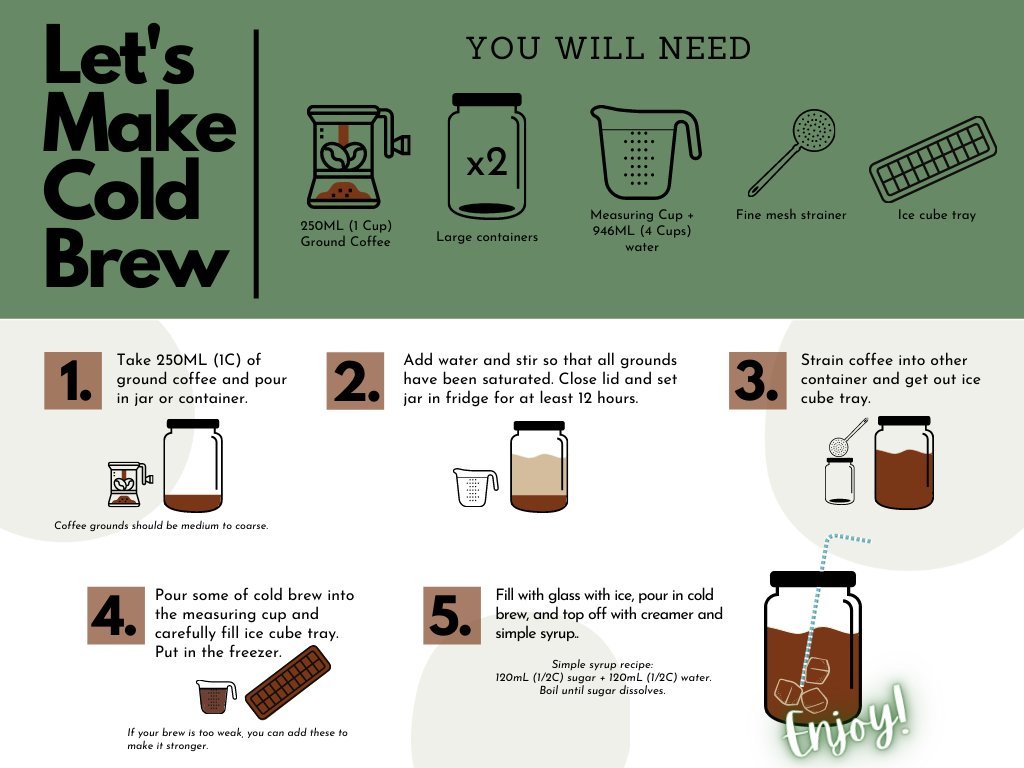
Yes, you can make cold brew coffee at home with just coarse grounds and water. The only condition is steeping time, which takes 12 to 24 hours instead of minutes. Start your batch tonight so it’s ready to drink tomorrow morning.
When cold brew works at home
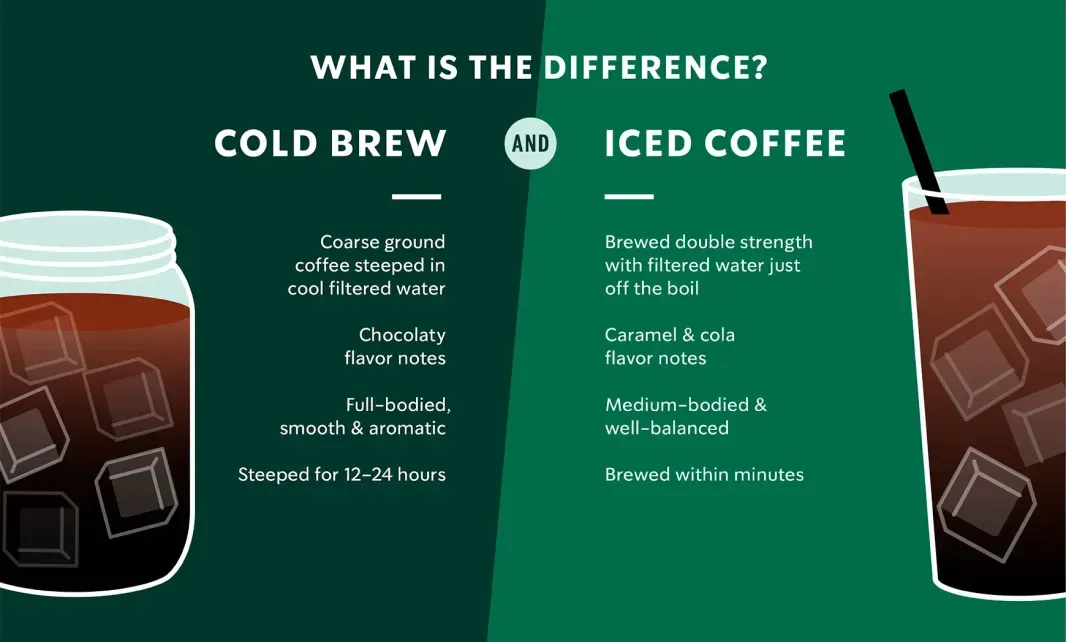
Your setup determines whether this method fits your routine or wastes your effort.
| Your situation | Answer | Why |
|---|---|---|
| You have 12+ hours | Yes | Steeping needs long contact time |
| You want hot coffee fast | No | Cold extraction is too slow |
| You lack a strainer | No | Grounds ruin the texture |
| You need caffeine instantly | No | Brewing happens overnight |
| You hate bitter acid | Yes | Cold water reduces acidity |
| You want zero equipment cost | Yes | A jar and cloth work fine |
| You need precise strength control | Yes | Ratio adjusts easily |
What decides the result
The coffee-to-water ratio decides your final strength and flavor balance. Too little coffee tastes weak and sour; too much wastes beans and creates an undrinkable concentrate. Most home brewers use a 1:8 ratio for ready-to-drink coffee or 1:4 for concentrate that needs dilution later.
Grind size matters as much as the ratio because surface area controls extraction speed. A coarse grind, like sea salt, prevents over-extraction during the long steep. Fine powder turns cold brew muddy and bitter within hours. If your grind feels like sand, go coarser; if it looks like peppercorns, it’s right.
Temperature sets the timeline. Room temperature steeps finish in 12–18 hours, while fridge steeps need 18–24 hours. If you’re short on time, leave it on the counter; if you prefer smoother flavor, chill it longer. Check your own taste at 12 hours and every 4 hours after — your palate is the only true gauge.
Steps for brewing safely
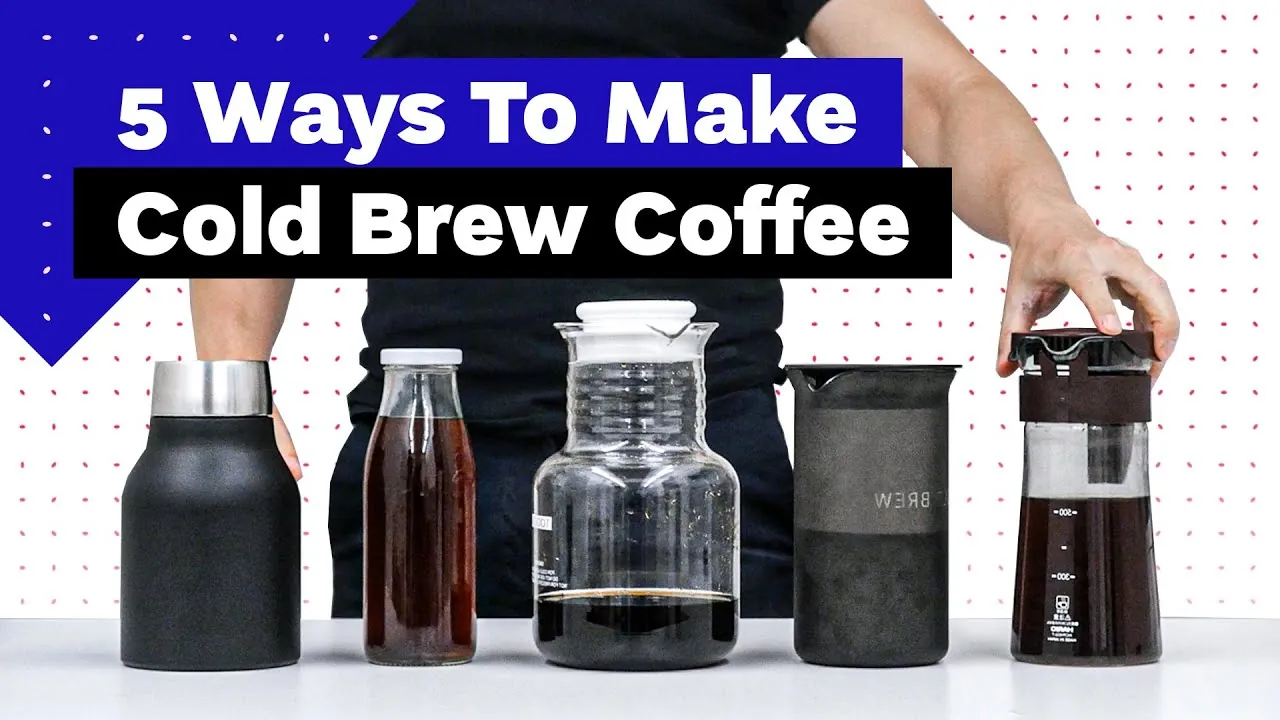
- Measure 100g coarse grounds. Use a kitchen scale for accuracy; volume measurements vary wildly by bean density. This assumes a 1:8 ratio for 800ml of ready-to-drink brew.
- Add 800ml filtered water. Pour slowly to saturate all grounds evenly without dry pockets.
- Stir gently for 30 seconds. Ensure every particle contacts water before covering. Dry clumps create uneven strength and wasted coffee.
- Cover and steep 12–24 hours. Leave at room temperature for faster extraction or refrigerate for smoother results. Set a timer so you don’t forget and over-extract.
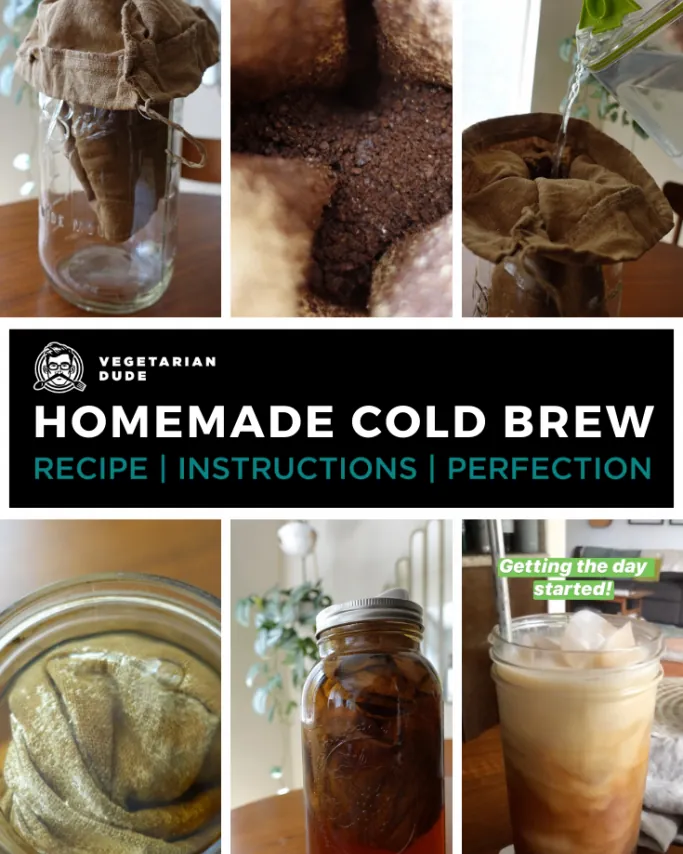
- Strain through cheesecloth or paper filter. Pour slowly to avoid pushing fines through. Stop when liquid runs clear, not brown-cloudy.
- Store strained brew below 40°F immediately. Refrigerate in sealed containers for up to two weeks.
Skipping the strain step
Skipping proper filtration costs you texture and shelf life. Unfiltered cold brew contains suspended solids that turn bitter within days and harbor bacteria faster than clean liquid. The fix takes five minutes: line a mesh strainer with damp cheesecloth or a paper coffee filter, then pour slowly without pressing. Pressing forces fines through and defeats the purpose. If your brew still looks cloudy after one pass, repeat with fresh cloth. Clean liquid stores safely; gritty brew doesn’t.
When to stop DIY brewing
- Mold appears on surface or lid, indicating contamination beyond salvage; discard entirely and sanitize all equipment.
- Brew smells sour or fermented before day seven, signaling spoilage; discard it.
- You experience stomach illness after drinking, suggesting pathogen exposure; consult a healthcare provider and report to local health authorities.
- Commercial-scale production exceeds household volumes, triggering food licensing laws; your state’s department of agriculture regulates permitted facilities.
Frequently asked questions
Can I use regular pre-ground coffee?
No, standard pre-ground is too fine and creates sludge. Buy whole beans and grind coarse yourself, or find bags labeled specifically “cold brew grind.” Pre-ground meant for drip machines will clog filters and taste harsh.
Why does my cold brew taste weak?
Weakness usually means insufficient coffee or too-short steeping. Increase your ratio to 1:7 or extend steep time by 4–6 hours. Also verify your grind isn’t too coarse, which slows extraction excessively.
How long does homemade cold brew last?
Refrigerated below 40°F, strained cold brew stays safe 7–10 days. Unstrained brew lasts only 3–4 days due to sediment. Always smell before drinking; off odors mean spoilage regardless of calendar date.
Is it safe to steep at room temperature?
Yes, 12–18 hours at room temperature is safe if you refrigerate promptly after straining. Longer room-temperature steeps risk bacterial growth. Never exceed 24 hours unrefrigerated, and always store finished brew below 40°F.
Does cold brew have more caffeine?
It depends entirely on your ratio and dilution. Concentrate (1:4) has roughly double the caffeine per ounce versus hot coffee, but diluted ready-to-drink (1:8) often matches or falls below hot brew. Measure your own ratio to know.
Can I reuse cold brew grounds?
No, spent grounds are exhausted and produce weak, flat-tasting coffee because they have already released their soluble compounds. Compost them instead.
What happens if I steep too long?
Over-extraction past 24 hours brings out bitter tannins and woody flavors. The brew won’t become unsafe if refrigerated, but taste degrades noticeably. Strain at 24 hours maximum, even if flavor seems mild yet.
Next steps for your first batch
Start tonight by measuring 100g coarse grounds into a clean jar with 800ml water. Expect smooth, low-acid coffee tomorrow afternoon once strained and chilled. If mold appears or the brew smells fermented before day seven, discard it and review your sanitation and storage temperature.