
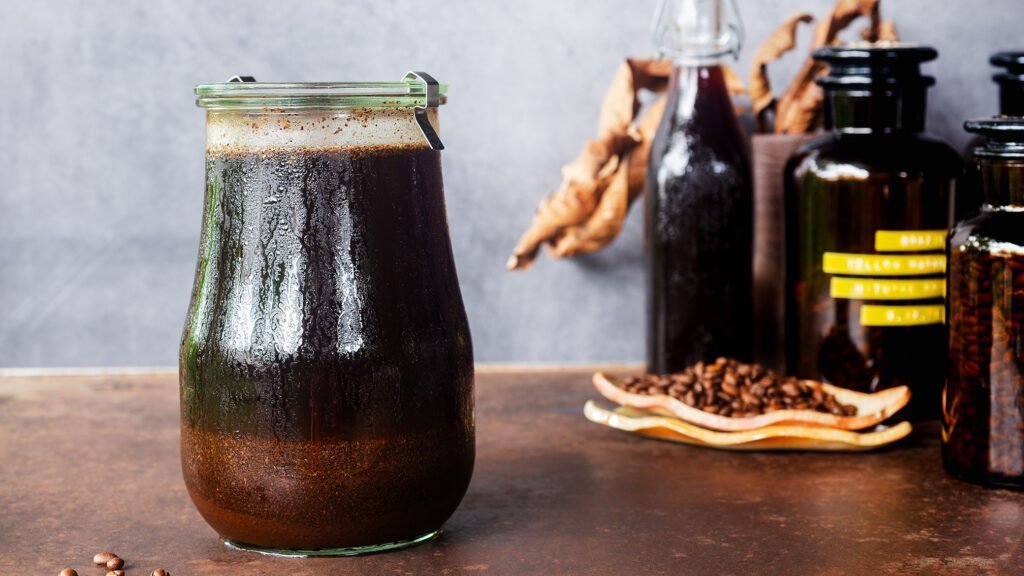
Yes, you can over brew cold brew coffee. The answer to whether you can over brew cold brew coffee is yes if the steeping time exceeds 24 hours at room temperature or 48 hours in the fridge. Taste your batch at the lower end of that range and stop when it’s smooth, not bitter.
When cold brew turns bitter
Your situation determines if the long steep helps or hurts the final cup.
| Your situation | Answer | Why |
|---|---|---|
| Steeping 12-18 hours in fridge | No | Extraction stays balanced and sweet |
| Steeping 24+ hours at room temp | Yes | Bitter compounds dissolve rapidly after saturation |
| Using fine espresso grind | Yes | Surface area extracts too fast for cold water |
| Dark roast beans over 18 hours | Yes | Roast solubles turn harsh and ashy quickly |
| Light roast under 20 hours | Usually not | Dense beans need longer to release flavor |
| Fridge steep past 48 hours | Yes | Oxidation creates stale, woody off-flavors |
| Concentrate diluted immediately | No |
Time and temperature set the limit
Extraction speed depends heavily on water temperature and grind size, not just the clock. Cold water pulls sugars and acids slowly, but bitter tannins eventually dissolve once the good flavors reach saturation. A coarse grind slows this process down significantly compared to a medium or fine setting.
Room temperature brewing finishes faster than fridge brewing because heat accelerates chemical reactions. If you brew on the counter, check at 12 hours; if you brew in the fridge, start tasting at 18 hours. The National Coffee Association notes that immersion methods require adjusting variables based on your specific equipment and taste preference rather than following one universal timer.
If your kitchen is warm or you use a finer grind, reduce your target time by 4-6 hours; if you brew in a cold fridge with a very coarse grind, add up to 6 hours beyond standard recommendations.
How to Brew Cold Coffee Without Going Over
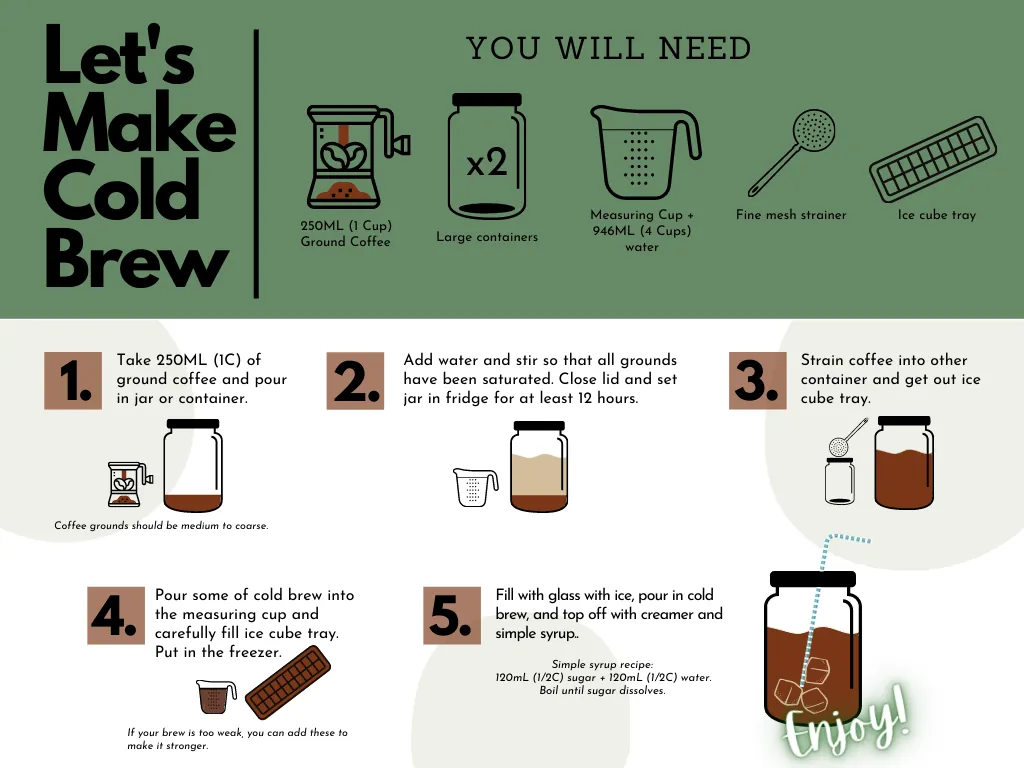
- Measure a 1:8 ratio for concentrate using a digital scale, because volume measurements vary wildly with grind density. This ratio gives you enough liquid to extract fully without forcing bitterness from packed grounds.
- Grind coarser than sea salt to slow extraction and make filtering easier later. A uniform coarse grind prevents fine particles from over-extracting while larger chunks stay under-brewed.
- Steep in the refrigerator for 18-24 hours to keep extraction gentle and predictable. Room temperature works in 12-18 hours but risks overshooting if you forget to check.
- Taste every 4 hours after the minimum time using a clean spoon. Stop when the flavor is chocolatey and smooth; if it tastes dry or astringent, you’ve already gone too long.
- Filter through paper or cloth immediately when it tastes right to halt extraction completely. Metal filters let oils pass through which continue changing flavor in storage.
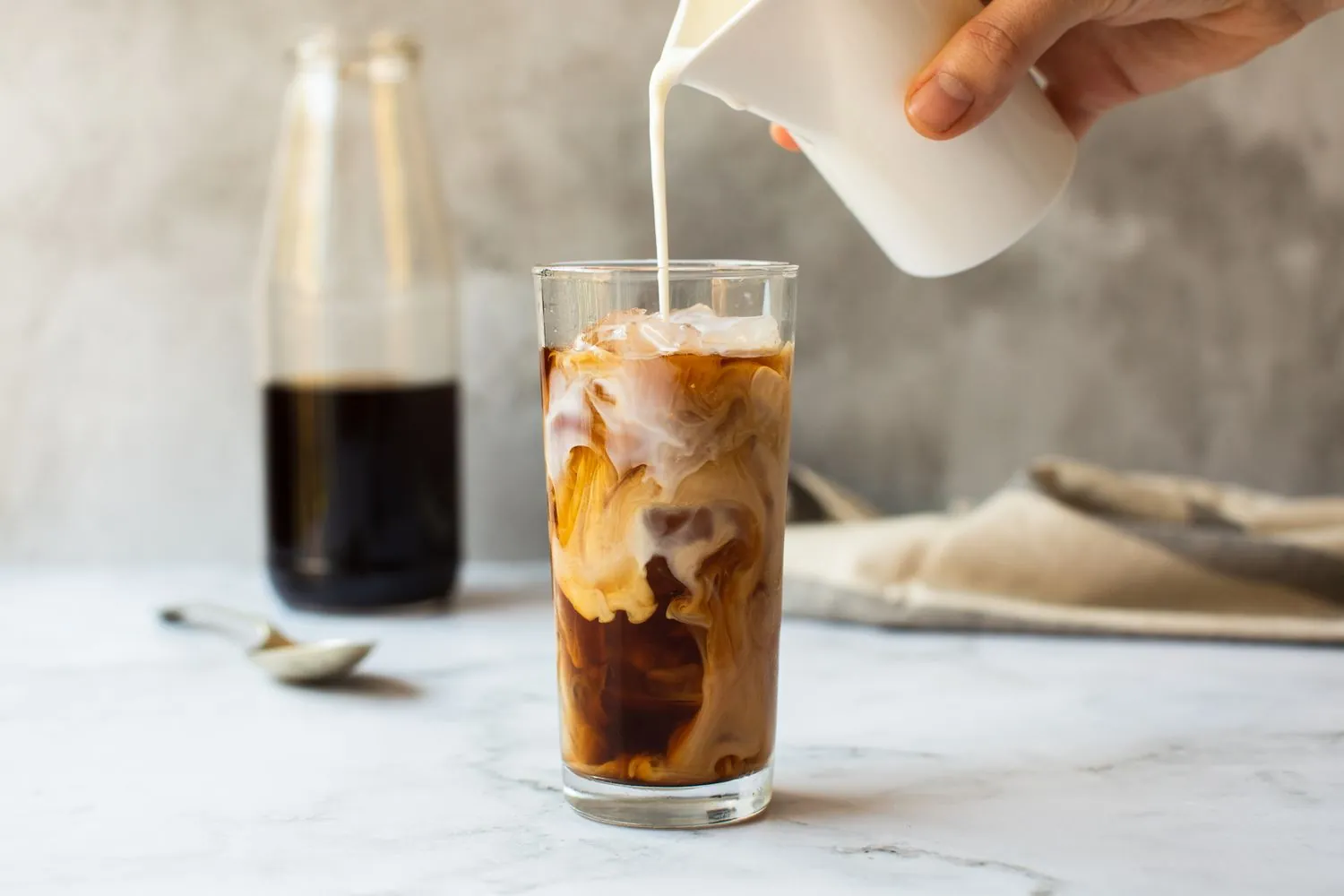
- Dilute 1:1 with water before drinking to balance strength and reveal hidden defects. Over-brewed concentrate tastes acceptable until you add water and the bitterness blooms.
Trusting the clock blindly
Ignoring taste tests costs you an entire batch of expensive beans and twelve hours of waiting. People assume 24 hours is always safe, but warm kitchens or inconsistent grinds push extraction past the sweet spot in as few as 16 hours. The only reliable check is tasting the liquid directly at intervals. Set a phone alarm for the minimum time and sample then, rather than assuming your conditions match someone else’s recipe perfectly.
Signs your cold brew failed
- Liquid tastes sharply bitter or metallic even after dilution, indicating tannin overload that requires disposal.
- Brew smells sour, yeasty, or alcoholic, signaling unwanted fermentation that makes it unsafe to drink.
- Visible mold appears on the surface or jar rim, meaning contamination occurred during steeping or storage.
- Texture feels thick, slimy, or syrupy beyond normal concentrate body, showing bacterial growth or extreme over-extraction.
- Stomach upset occurs after drinking, suggesting spoilage organisms developed during an uncontrolled room-temperature steep.
These signs mean the batch isn’t salvageable. Discard it and sanitize your equipment before trying again, because off-flavors and microbes won’t improve with more time or filtering.
Related guides
- Difference Between Cold Brew and Iced Coffee Explained
- How to Make a Cold Brew Coffee at Home: A Simple Guide
- Is Iced Coffee Cold Brew? The Key Differences Explained
Frequently asked questions
Can you fix over brewed cold brew?
No, you can’t remove bitter compounds once extracted. Diluting with extra water or milk masks harshness slightly but doesn’t reverse it. Use the batch for cooking or compost it, and adjust your next steep time downward.
How long is too long for cold brew?
Over 24 hours at room temperature or 48 hours refrigerated typically crosses into over-extraction. Your specific grind size and bean roast shift this window by several hours. Taste testing remains the only accurate way to find your personal limit.
Does grind size affect over brewing?
Yes, finer grinds extract much faster and over brew easily in cold water. Use a coarse setting resembling raw sugar or sea salt. If you only have pre-ground medium coffee, reduce steep time by 6-8 hours to compensate.
Is over brewed cold brew safe to drink?
Usually yes, unless it shows fermentation or mold signs. Bitterness alone isn’t harmful, just unpleasant. However, room-temperature steeps exceeding 24 hours risk bacterial growth, so discard any batch that smells off or causes stomach discomfort.
Can you reuse over brewed grounds?
No, spent grounds have nothing left worth extracting. A second steep produces weak, flat liquid with little remaining sweetness or caffeine. Compost the used grounds instead and start fresh with new beans for your next batch.
Does roast level change brew time?
Yes, dark roasts extract faster and over brew sooner than light roasts. Reduce steep time by 4-6 hours for dark beans. Light roasts are denser and often need the full upper range to develop adequate sweetness and body.
What happens if I leave it out overnight?
Leaving cold brew at room temperature for 12-18 hours is standard practice and safe. Beyond 24 hours unrefrigerated, fermentation and spoilage risks increase significantly. Move the vessel to the fridge if you won’t filter within that window.
Getting your next batch right
Start your next batch with a coarser grind and set a tasting alarm at the 16-hour mark. Expect smooth, sweet concentrate that needs no masking when you hit the right window, and trust your palate over any printed timeline. Stop and discard immediately if you detect sourness, mold, or stomach-turning aromas during sampling.