

You can master the procedure for making coffee by using a simple ratio of 1 gram of ground beans for every 16 grams of water.
Essential brewing tools
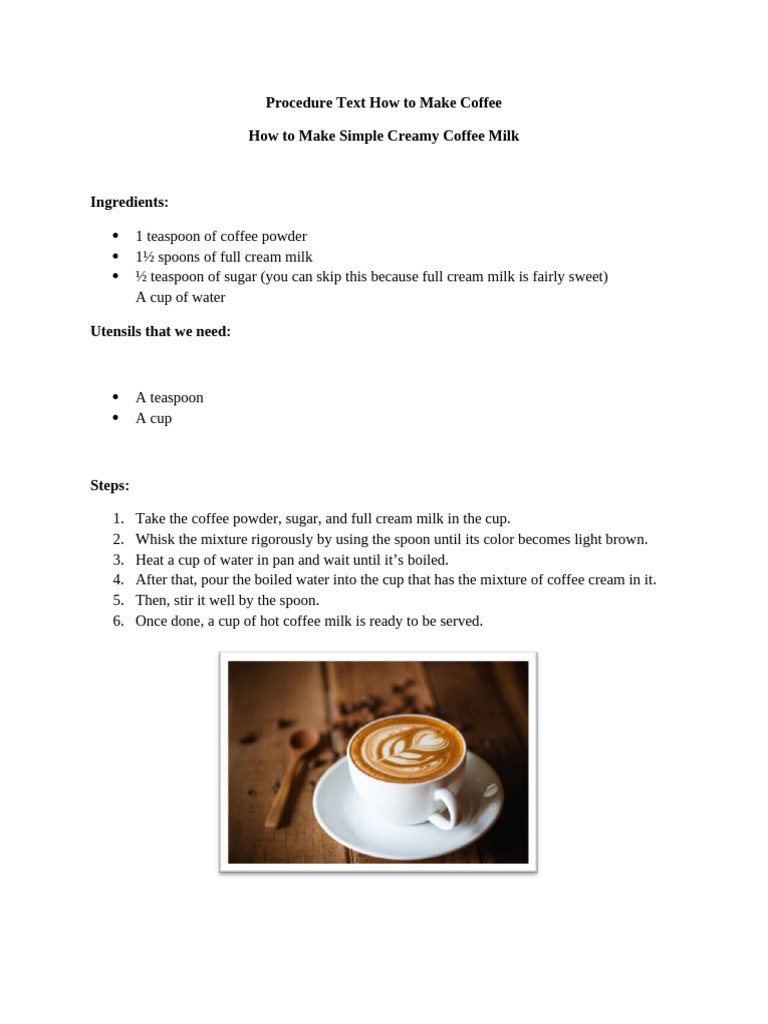
| Item | How much | Why it’s needed | A substitute |
|---|---|---|---|
| Coffee beans | 20 grams | Provides the base flavor | None — don’t swap this |
| Hot water | 320 grams | Extracts the coffee oils | None — don’t swap this |
| Digital scale | 1 unit | Ensures brewing consistency | Measuring cups — less accurate |
| Coffee grinder | 1 unit | Creates fresh surface area | Pre-ground coffee — less flavor |
| Paper filter | 1 sheet | Removes bitter coffee sediment | Metal mesh — allows more oils |
| Pour-over cone | 1 unit | Controls water flow rate | Automatic drip machine — automated |
Before you start brewing
- Switch off your electric kettle once the water reaches 200°F, which is the ideal range for extraction according to the National Coffee Association.
- Empty your brewing cone of any old grounds or moisture to prevent stale flavors.
- Move your scale to a flat, level surface to ensure your weight measurements remain accurate.
- Cover your carafe or mug to keep the coffee warm during the final stages of the pour.
Coffee brewing procedure text
- Place your empty coffee cone and mug on the scale and press the tare button to set the reading to zero.
- Grind 20 grams of fresh coffee beans until they reach a medium-coarse texture, similar to the size of sea salt grains.
- Add the ground coffee into the filter and tap the sides of the cone gently to create an even, level bed of grounds.
- Tare the scale again so the display reads zero before you begin pouring any water onto your coffee grounds.
- Pour 40 grams of hot water over the grounds in a circular motion, ensuring every single particle becomes fully saturated and wet.
- Wait 30 seconds for the coffee to bloom, which allows trapped carbon dioxide to escape and improves the final flavor profile.
- Pour the remaining water slowly in steady circular motions until the scale shows a total weight of 320 grams of water.
- Allow the water to drip through the grounds completely, which should take between 2 and 3 minutes total for this amount.
- Remove the coffee cone carefully from your mug and set it aside to discard the used grounds into your compost bin.
- Stir the brewed coffee in your mug with a spoon to mix the layers of flavor before you take your first sip.
How to know it worked
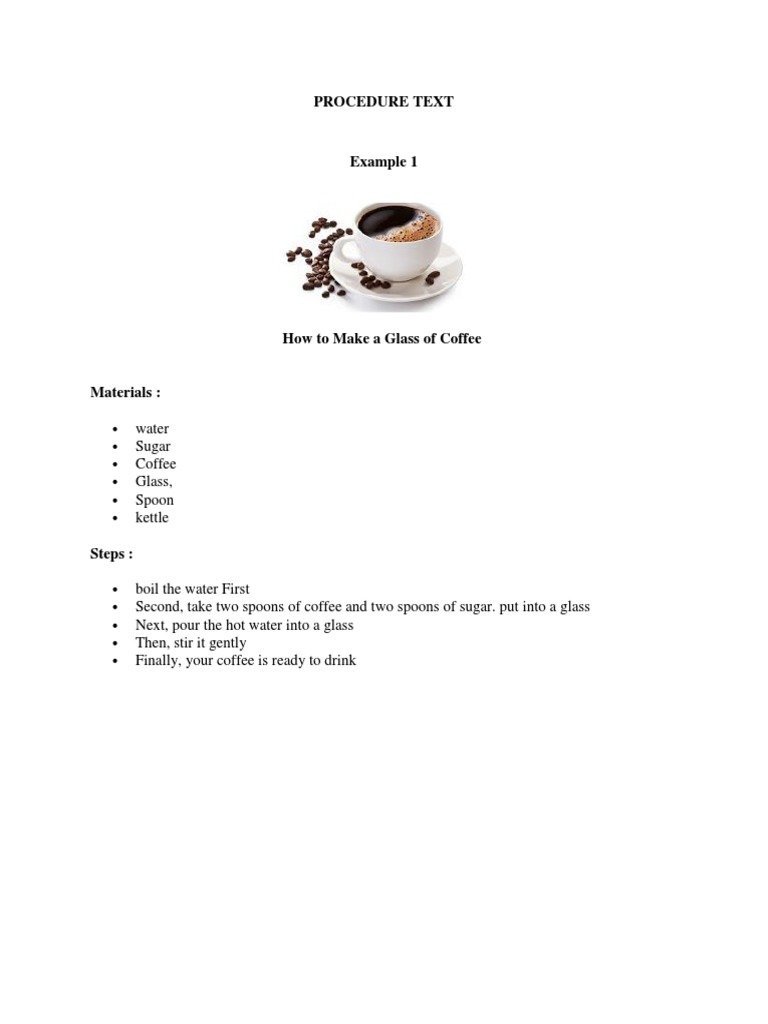
Successful brewing results in a cup with a clean, bright finish and no gritty texture at the bottom. If the coffee tastes sour or thin, your grind was likely too coarse or the water passed through too quickly. If the coffee tastes bitter, the grind was too fine or the contact time was too long. You can check your progress by looking for a flat, even bed of grounds in the filter; a crater in the center suggests you poured water too aggressively.
If something goes wrong
| What happened | Why | What to do |
|---|---|---|
| Coffee is sour | Under-extracted grounds | Use a finer grind setting |
| Coffee is bitter | Over-extracted grounds | Use a coarser grind setting |
| Slow drip time | Filter is clogged | Check for too-fine grounds |
| Water leaks out | Improper filter fit | Adjust the paper alignment |
| Weak flavor | Too much water | Reduce total water weight |
How often to do this
You should brew fresh coffee whenever you want a drink, as the flavor degrades within 20 minutes of exposure to air. The frequency depends on your personal daily intake and the capacity of your brewing equipment. If you use a large-capacity pour-over, you can scale the 1:16 ratio to match your vessel size, though you must remember that larger batches require a slightly coarser grind to maintain the proper flow rate.
Frequently asked questions
Can I use tap water for coffee?
Yes, you can use tap water as long as it tastes fresh and is free from strong chlorine odors. If your local water has a harsh taste, use a charcoal filter to remove impurities before heating.
Why does my coffee taste like water?
The coffee tastes thin because the ratio of water to beans is too high or your grind is too coarse. Use the 1:16 ratio and a finer grind to increase the strength of the extraction.
Is it safe to reheat brewed coffee?
It’s safe to reheat coffee, but the flavor will change as the oils oxidize and become bitter. Reheat it gently on the stove or in a microwave for 30 seconds at a time to avoid scorching.
How long does ground coffee stay fresh?
Ground coffee stays fresh for about 30 minutes before the volatile aromatics start to disappear. For the best quality, grind your beans immediately before you start the brewing process every single time.
What happens if I use boiling water?
Always wait for the kettle to drop to 200°F to ensure a balanced, smooth cup of coffee.
Does the roast level change the ratio?
The roast level doesn’t change the 1:16 ratio, but it does change the density of the beans. Darker roasts are less dense, so you may need to use a slightly larger volume of grounds to reach the same weight.
Conclusion
A perfect cup of coffee relies on consistency, so stick to your measured ratios and keep your equipment clean to ensure every batch tastes exactly how you want it. Once you find the specific grind setting that suits your favorite beans, write it down so you can repeat the result every morning without guesswork.