
As an Amazon Associate, we earn from qualifying purchases. This post contains affiliate links – if you buy through them, we may earn a commission at no extra cost to you.
Your choice of free 3d animation software depends on your goals and how comfortable you are with complex tools. Some users require professional power for high-end rendering, while others prefer simple tools for quick projects. You might prioritize rigging, vector tools, or frame-by-frame controls. For a full professional suite, consider Blender 3D Software, or choose Moho Debut 14 for an approachable 2D-to-3D hybrid experience.
1. 3D Animation Maker
Best for: Someone who wants a straightforward tool for 3D animation projects.
The listing doesn’t mention the complexity of 3D Animation Maker. It serves as a dedicated environment for users who want to focus on their creative output.
The software is designed to handle animation tasks directly. The listing doesn’t mention the specific features of 3D Animation Maker.
Good if:
- You’re starting your first animation project.
- You prefer a focused, simple interface.
- You want to keep your software library light.
Skip it if:
- You need advanced 3D rendering capabilities.
- You require professional-grade post-production tools.
2. Stickman Animator

Best for: Users focused on quick, simple character animation tasks.
Good if:
- You enjoy creating stick-figure style animations.
- You want a very fast learning curve.
- You’re making simple videos for fun.
Skip it if:
- You want to build complex 3D worlds.
- You need high-end lighting and texture controls.
3. AnimeTok 3D animation maker
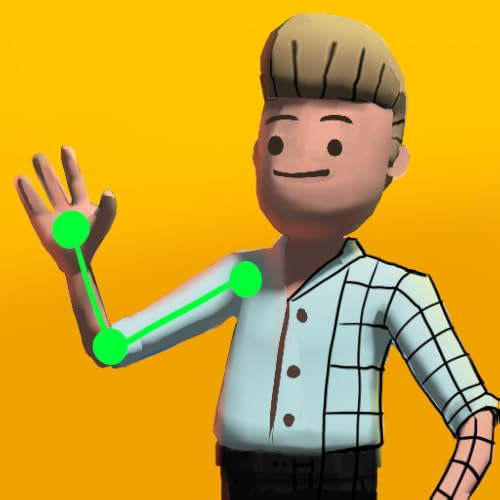
Best for: Content creators making short videos for social media platforms.
It provides the necessary tools to get your work from the screen to your audience without unnecessary steps.
The software helps you produce animations that fit the style and length expected on modern social media.
Good if:
- You create daily content for social media.
- You want to share your work quickly.
- You like anime-inspired styles.
Skip it if:
- You’re working on long, cinematic projects.
- You need deep technical control over your assets.
4. 9VAe:Free SVG/GIF/MP4 Animation Editor
Best for: Those who need to handle SVG, GIF, and MP4 formats.
It bridges the gap between static vector art and moving animation, making it useful for web-ready content.
The software supports various file types, which helps when you have assets from different sources.
Good if:
- You work with vector graphics often.
- You need to export to common web formats.
- You value format flexibility.
Skip it if:
- You require a full 3D creation suite.
- You’re looking for advanced 3D rendering.
5. Moho Debut 14
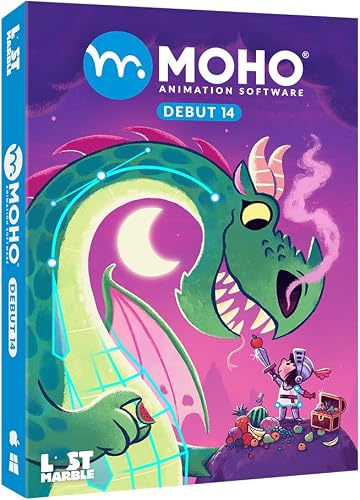
Best for: First-time animators and hobbyists needing a structured learning path.
Moho Debut 14 provides a comprehensive environment that includes a beginner’s mode to help you get started. It balances powerful features, like a bone rigging system, with tools that are intuitive enough for those new to the craft.
The software includes a content library and vector-based drawing tools, which helps reduce production time. It isn’t the right fit for users who need the advanced, unlimited professional features found in higher-tier studio software.
Good if:
- You want to learn animation with guided tools.
- You need pre-built characters and props.
- You value a complete, ready-to-use rigging system.
Skip it if:
- You’re already an expert looking for unlimited professional tools.
- You need heavy-duty 3D simulation features.
6. Stick Nodes Animator
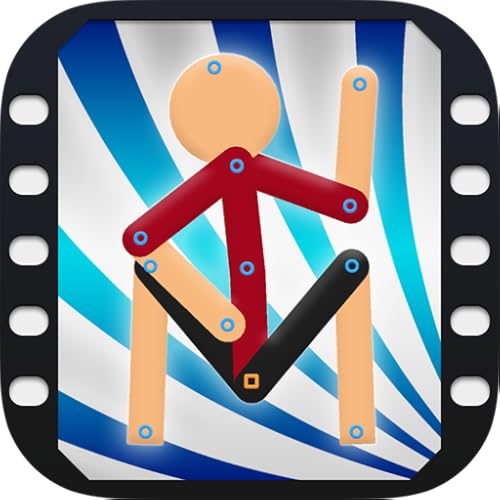
Best for: Animators who want to focus on stick-figure motion.
The software is specialized for its specific style of animation.
Good if:
- You like the classic stick-figure animation look.
- You want to improve your timing and movement skills.
- You prefer a simple, clean interface.
Skip it if:
- You need to model 3D objects from scratch.
- You’re looking for a full 3D suite.
7. Drawing Cartoons 2

Best for: Animators who work primarily on mobile devices.
It’s designed to be accessible, making it a great entry point for those on the move.
The tool focuses on ease of use for mobile screens. The listing doesn’t mention hardware requirements.
Good if:
- You want to animate on a tablet or phone.
- You enjoy drawing your own cartoon characters.
- You need a fast, portable workflow.
Skip it if:
- You need a desktop environment for large projects.
- You require professional-grade rendering power.
8. Pivot 3D VR Free

Best for: Users exploring virtual reality animation projects.
This software targets those who want to enter the VR space.
The software is focused on the VR niche.
Good if:
- You’re interested in virtual reality creation.
- You want to experiment with immersive spaces.
- You need a VR-focused animation tool.
Skip it if:
- You’re focused on traditional 2D animation.
- You don’t own a VR headset.
9. Blender – 3d Design and Animation Software (Download)
Best for: Professionals and serious learners needing a total creation suite.
Blender 3D Software is a heavy-duty tool that covers everything from modeling and texturing to rendering and export. Blender 3D Software is a powerful, fully functional 3D content creation suite capable of producing broadcast-quality graphics, movies, and animations.
The software is powerful and highly capable, but it has a steep learning curve. It isn’t for someone who wants a quick, simple tool for short social media clips.
Good if:
- You want to learn a professional industry standard.
- You need a full suite for modeling and rendering.
- You’re working on long-term, complex projects.
Skip it if:
- You want a simple, “plug-and-play” experience.
- You’re new to animation and feel overwhelmed by many menus.
Where These Overlap
Most of these tools serve specific niches, but there’s some overlap in the simpler animation categories. For instance, Stickman Animator and Stick Nodes Animator both focus on the same core style of character movement. If you find yourself choosing between them, look at the interface style that feels most intuitive to you, as both are designed to keep the process straightforward. Blender 3D Software stands alone in this group due to its comprehensive nature, while Moho Debut 14 sits in a middle ground, offering more structure than the simple animators but less complexity than a full-scale professional suite.
Still Not Sure?
How often will I really use it?
If you plan to animate every day for long-term growth, Blender 3D Software provides the depth you’ll eventually need. If you only want to make occasional clips for fun, a simpler tool like Stick Nodes Animator will prevent you from getting bogged down in menus you don’t need.
What do I already own that this has to work with?
Think about your current hardware. If you have a powerful desktop computer and want to build high-quality 3D assets, Blender 3D Software is better suited to take advantage of your hardware’s performance capabilities.
What am I most likely to regret choosing?
You might regret picking a tool that’s too complex for your current skill level, as it can lead to frustration. If you’re a total beginner, starting with Moho Debut 14 is a safer choice because it includes a beginner’s mode that guides you, whereas jumping straight into a massive suite might feel overwhelming.
Choosing the right software is about matching the tool’s complexity to your current goals. If you’re a beginner looking for guidance, Moho Debut 14 is a great place to start. For those who want to master a professional standard, Blender 3D Software is the path to follow. Download your choice and start your first project today.
Frequently Asked Questions
Is this animation software difficult to learn?
Most simple animation tools have a fast learning curve, while full suites like Blender 3D Software require significant time to master. If you’re new, start with Moho Debut 14 to use its built-in beginner features. As you become more comfortable with keyframes and rigging, you may find the process becomes much more intuitive.
Can I export my animations for YouTube?
Yes, most of these tools allow for export to popular video formats like MP4. Moho Debut 14 specifically highlights its ability to export content for web sharing. Always check your software’s export settings to ensure the resolution and file type match the requirements of your chosen video platform before you start rendering.
Do I need a powerful computer to run these?
Simple 2D animators generally run on most modern computers, but high-end 3D suites like Blender 3D Software demand more processing power for rendering. You can find technical requirements on the official Blender website to see if your system can handle the rendering tasks you plan to perform during your animation projects.
Can I import my own art into these programs?
Many programs, including the latest version of Moho Debut, allow you to import artwork from other graphics software. This is a common practice for artists who prefer to draw in a dedicated illustration app and then import their layers for animation. Check the import file formats supported by your specific software to ensure compatibility with your art files.
Conclusion
Choosing the right tool is just the start of your creative journey. Don’t worry about picking the perfect program immediately; just download one and start playing with the basic shapes today. You’ll find that your skills grow quickly once you’re actually building something, so don’t be afraid to experiment and have fun.